
November 21, 2025
Winter may seem like a quiet time in Florida's landscapes, but for trees, it's a season of truth. Without the distraction of dense foliage, structural flaws, stress cracks, and declining health become visible - giving property managers a rare window to assess and correct problems before spring.
In Gainesville and across Alachua County, winter is not an off-season - it's a reset season. At Allegiance Landscaping, we use these cooler months to evaluate canopy structure, root stability, and overall tree vitality. A well-timed inspection today prevents costly removals and liability tomorrow.
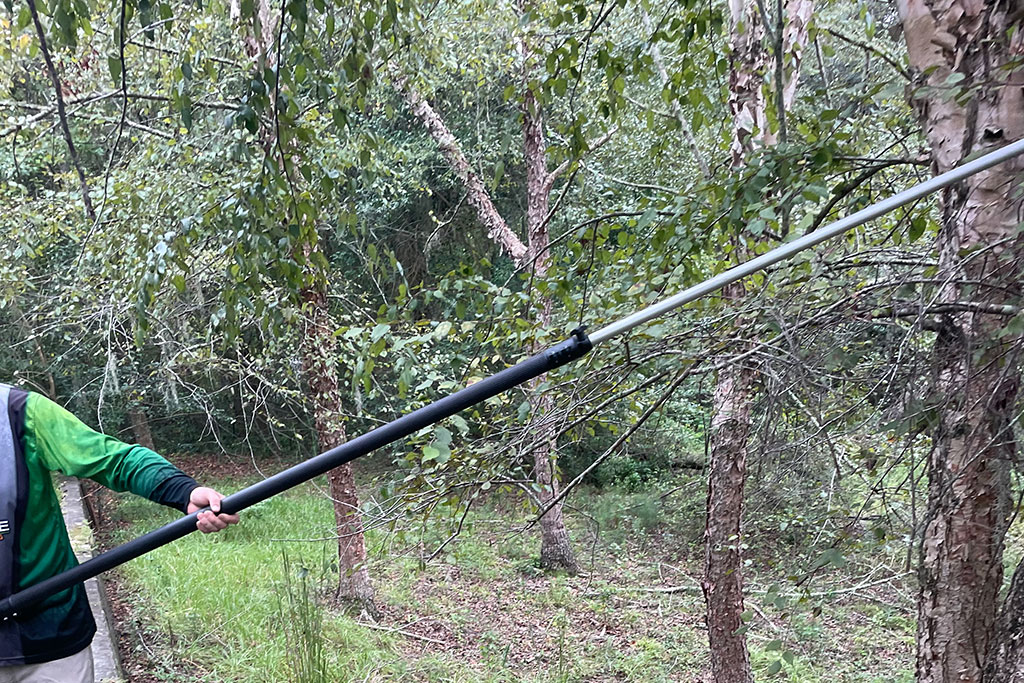
Florida's mild winters allow trees to grow year-round, but subtle stress often goes unnoticed until it's too late. Conducting professional tree inspections during this period helps detect early warning signs of decline and reduces risk across the property.
The benefits of winter tree inspections include:
Winter inspections are one of the most cost-effective ways to protect both your landscape investment and your community's safety.
Unlike northern climates, Florida's trees don't experience full dormancy. Instead, they contend with drought stress, high winds, and year-round pest pressure. In Alachua County, we frequently identify:
These conditions make winter the perfect time to identify structural and biological problems before they threaten canopy health or resident safety.
Allegiance Landscaping's winter tree program focuses on building long-term strength through proactive care - not reactionary cleanup.
Strategic winter pruning removes deadwood, crossing limbs, and heavy growth while maintaining balanced canopies. Proper structure reduces wind damage risk and promotes healthy spring regeneration.
Cooler weather requires less water. Our irrigation specialists recalibrate controllers to prevent overwatering and maintain proper soil oxygen levels. This supports stronger, deeper root systems through the dry season.
While fertilization is restricted under Alachua County's July–February ordinance, our teams support root vitality through soil aeration and organic topdressing. These methods restore oxygen flow and microbial activity without using restricted nutrients.
Even when pest activity slows, visible damage tells a story. Winter inspections uncover borer holes, fungal staining, and early signs of dieback - allowing for targeted treatment before infestations resurge in spring.
Tree failure is one of the most preventable - and expensive - liabilities for HOA boards and commercial properties. A single unaddressed defect can cause property damage, injury, or loss of life. Documented inspections reduce these risks and demonstrate responsible management to insurance carriers and residents alike.
At Allegiance Landscaping, every inspection is documented through photographs, structural notes, and prioritized action plans. This record provides accountability, transparency, and defensible evidence for any HOA or property audit.
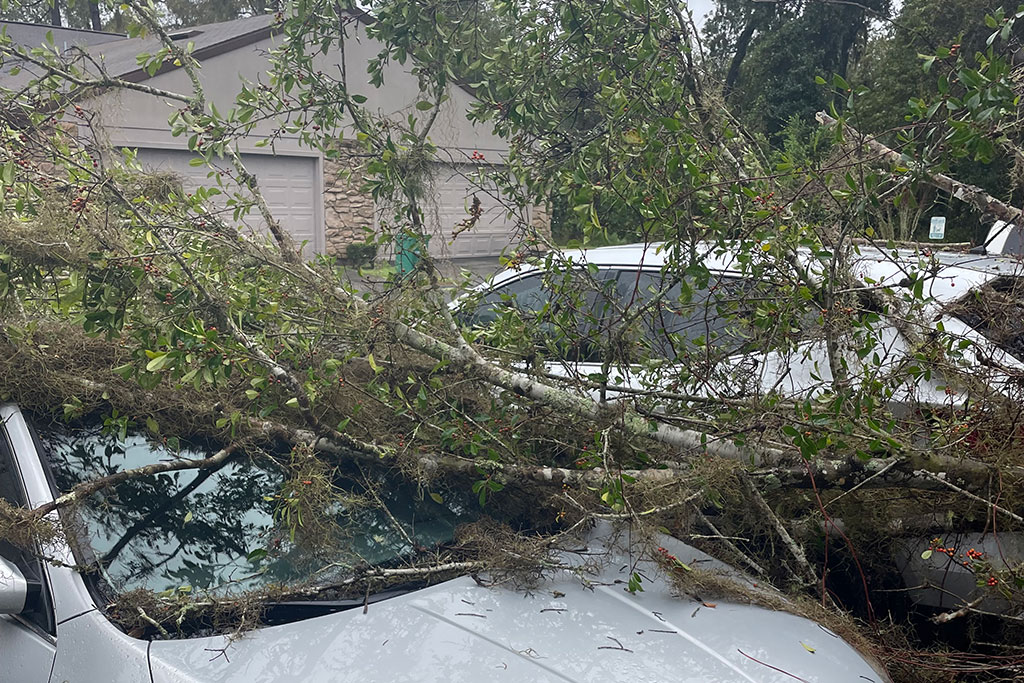
Last winter, a Gainesville HOA completed its first Allegiance winter canopy inspection. Crews discovered stress fractures in a mature laurel oak and corrected structural imbalance through selective reduction cuts.
When strong winds hit that spring, neighboring communities suffered multiple limb failures - this HOA didn't lose a single tree. Preventive inspections don't just protect landscapes; they protect reputations and budgets.
Our process combines local expertise, safety focus, and forward planning:
Our proactive tree inspections ensure properties remain safe, compliant, and ready for the challenges of the next growing season.
Strong communities don't wait for damage - they prevent it.
Winter tree inspections represent leadership, foresight, and accountability in property management.
At Allegiance Landscaping, we believe excellence is built before spring ever begins - in the details, documentation, and discipline of proactive care.
From root structure to canopy form, every inspection strengthens your property's long-term safety and visual integrity.
Destination: Excellence.