
April 17, 2026
Every year in Gainesville there's a moment when you can feel the landscape waking up.
The mornings start warming up, the days get longer, and plants begin pushing new growth. Even after a mild winter, this short window between winter and spring is one of the most important times of the year for your lawn and landscape.
Many people wait until summer to fix landscape problems. Unfortunately, by then the stress of heat, humidity, and heavy rain has already pushed the landscape into survival mode.
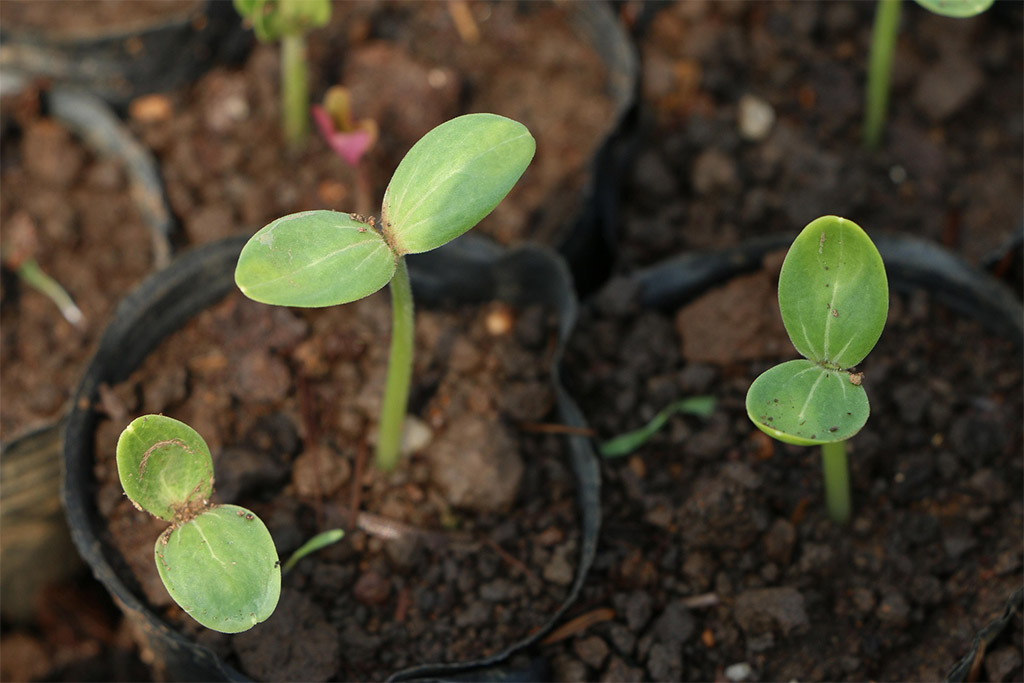
The smartest approach is to prepare before growth explodes.
We like to think of this time of year as a Spring Landscape Reset - a chance to evaluate everything from irrigation to soil health so your landscape starts the season strong.
A little attention now can mean fewer problems, lower maintenance costs, and a healthier landscape all year long.
Before worrying about turf, flowers, or shrubs, the most important system to inspect is irrigation.
In Florida landscapes, water management drives almost everything. If irrigation coverage is uneven or malfunctioning, plants struggle no matter how well they are maintained.
Winter is often when irrigation problems develop quietly. Sprinkler heads clog, valves leak, and controllers drift out of proper scheduling.
Before spring growth begins, it's important to run the entire irrigation system and check for:
University of Florida irrigation research recommends watering deeply but less frequently - generally applying about 1/2 to 3/4 inch of water per irrigation cycle when turf shows stress.
This method promotes deeper root systems and healthier turf, while overwatering often leads to shallow roots and disease pressure.
Simply put, if irrigation is wrong, everything else struggles.
Most Gainesville lawns look a little rough coming out of winter. That's normal.
Warm-season grasses like St. Augustinegrass slow down significantly during cooler months. As spring temperatures rise, turf begins waking up and producing fresh growth.
The key is figuring out whether your lawn is simply dormant - or if something else is happening.
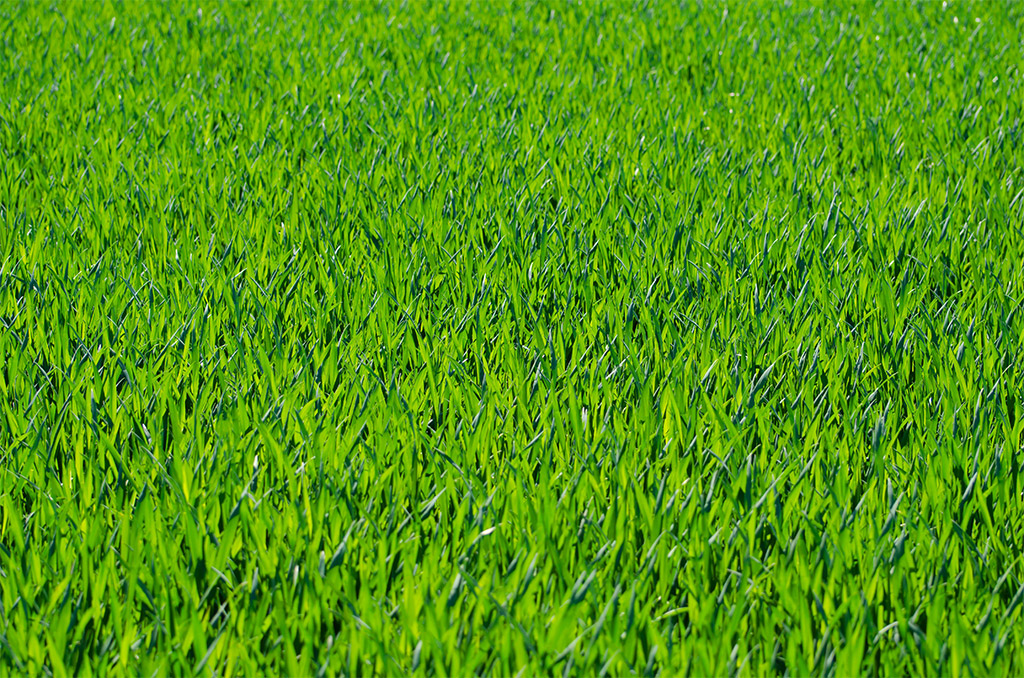
Walk the property and look for:
Often, turf problems that appear to be insects or disease are actually caused by poor irrigation coverage or soil compaction.
Addressing those environmental issues early allows turf to recover naturally once temperatures warm up.
One of the fastest ways to improve the appearance of a property is refreshing landscape beds.
Over the winter, mulch breaks down, bed edges soften, and debris collects. Even well-maintained landscapes start looking tired by early spring.
Resetting beds by cleaning, edging, and applying fresh mulch immediately improves curb appeal while helping plants stay healthy.
Mulch provides several important benefits:
UF/IFAS recommends maintaining mulch at approximately 2-3 inches deep in planting beds for proper moisture retention and weed control.
When beds are clean and properly mulched, the entire landscape looks sharper and more intentional.
Winter weather can leave shrubs and ornamental plants with damaged or weak growth.
Spring is the ideal time to perform light structural pruning to restore plant health and appearance.
The goal isn't aggressive cutting. Instead, pruning should focus on removing:
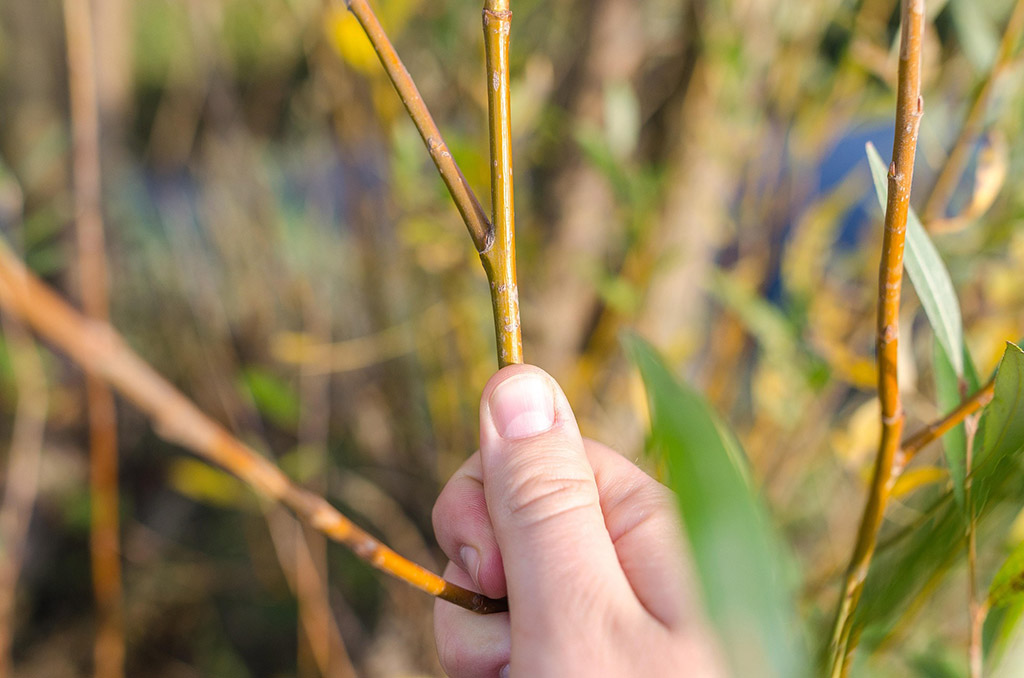
Selective pruning improves airflow, allows sunlight to reach deeper into the plant canopy, and encourages stronger new growth.
Proper pruning also helps plants maintain their natural shape rather than becoming overly dense or misshapen.
Spring is one of the best times to install new plants, seasonal color, or landscape enhancements.
But successful planting starts below the surface - with the soil.
Healthy soil supports strong root systems, improves water retention, and helps plants access nutrients efficiently.
Before installing new plants, it's important to:
One of the most important concepts in Florida landscaping is "Right Plant, Right Place."
This principle - central to Florida-Friendly Landscaping - means selecting plants suited to the site's sunlight, soil, and water conditions.
When plants match their environment, they require far less maintenance, irrigation, and chemical treatment.
Spring is not just about maintenance - it's also one of the best times to upgrade and improve your landscape.
Even small enhancements can dramatically improve the overall appearance of a property.
Some common spring improvements include:
For HOA communities and commercial properties, these improvements often deliver the most visible impact.
A refreshed entrance or updated planting bed can completely change how a property feels when residents or visitors arrive.
As temperatures rise through spring, landscapes begin requiring more water. But watering more frequently is not always the answer.
In Florida's sandy soils, watering too often can weaken turf and encourage disease.
Instead, irrigation should be adjusted based on plant needs.
Signs that turf needs water include:
Watering only when these signs appear encourages deeper roots and healthier plants overall.
Great landscapes rarely happen by accident.
They are the result of consistent attention, smart planning, and proactive care.
The transition from winter to spring offers a valuable opportunity to reset the landscape before the growing season begins.
By focusing on irrigation performance, soil health, plant structure, and strategic enhancements, Gainesville properties can enter the growing season stronger and more resilient.
And when landscapes start the season strong, they tend to stay greener, healthier, and easier to maintain through Florida's toughest weather.
- Allegiance Landscaping Leadership Team
Destination: Excellence