
June 5, 2026
Many landscape construction projects look impressive during the first few weeks after installation.
Fresh sod is green. Mulch is clean. Shrubs are perfectly spaced. Irrigation is running. Everything appears complete.
But in Florida, the real test begins after the first full summer.
That is usually when hidden issues begin revealing themselves:
A landscape can look excellent on installation day while already containing the problems that will cause it to struggle two years later.
For commercial properties and managed communities throughout North Florida, successful landscape construction is rarely about installing the most expensive materials. The strongest projects are usually the ones planned correctly from the beginning - with careful attention to water movement, maintenance access, traffic flow, drainage, irrigation coordination, and long-term landscape performance.
Because in Florida landscapes, water always finds the weak point eventually.
One of the biggest misconceptions in landscape construction is assuming projects fail because of poor installation alone.
In reality, many failures begin during:
Once construction begins, correcting those mistakes becomes significantly more difficult and expensive.
On many Florida properties, we see projects that were designed primarily around installation-day appearance without enough consideration for:
Those issues may remain hidden initially.
Then the first heavy storm cycle arrives.
Every property functions differently.
A site that appears dry during winter may hold water heavily during summer storm cycles. Slight elevation changes that seem insignificant during planning can create persistent drainage issues once heavy rainfall begins moving across the site.
Before design work begins, properties should evaluate:
In Alachua County, sandy soils can create their own challenges. Water may infiltrate quickly in some areas while compacted sections nearby remain saturated after repeated rainfall.
On larger properties, drainage problems often begin quietly near:
Many times, thinning St. Augustine turf becomes the first visible warning sign long before property managers notice larger flooding concerns.
Vague construction goals almost always create expensive adjustments later.
One of the fastest ways for landscape projects to become frustrating is allowing major design changes or unclear expectations after installation has already started.
Before construction begins, projects should establish:
This becomes especially important on managed properties where multiple stakeholders are involved.
Strong planning reduces:
The smoother the planning phase becomes, the smoother construction usually follows.
One of the most common mistakes in Florida landscape construction is focusing on aesthetics before solving water movement.
Fresh sod and shrubs may initially look healthy while underlying drainage issues quietly continue damaging the root zone below.
After repeated Florida summer storms, unresolved drainage problems often begin showing up as:
Replacing damaged turf repeatedly without correcting drainage is one of the most common cycles we see throughout commercial properties.
The turf was rarely the original problem.
Water movement was.
Proper grading and drainage planning should happen before:
Correcting drainage after construction is complete almost always costs more and creates additional disruption later.
Hardscapes are often judged by how they look immediately after installation.
But long-term performance depends heavily on what happens underneath the surface.
Improper base preparation beneath pavers is one of the most common reasons hardscapes begin:
Florida's rainfall patterns place enormous pressure on improperly compacted base layers.
On commercial properties, hardscape systems also need to account for:
A walkway may look visually clean on installation day while already directing water toward the exact area where future erosion will begin.
That is why hardscape planning should always work together with:
Strong landscape construction treats every system as connected.
One issue we commonly see on existing properties is irrigation being installed after planting and hardscape work are already complete.
That often forces crews to:
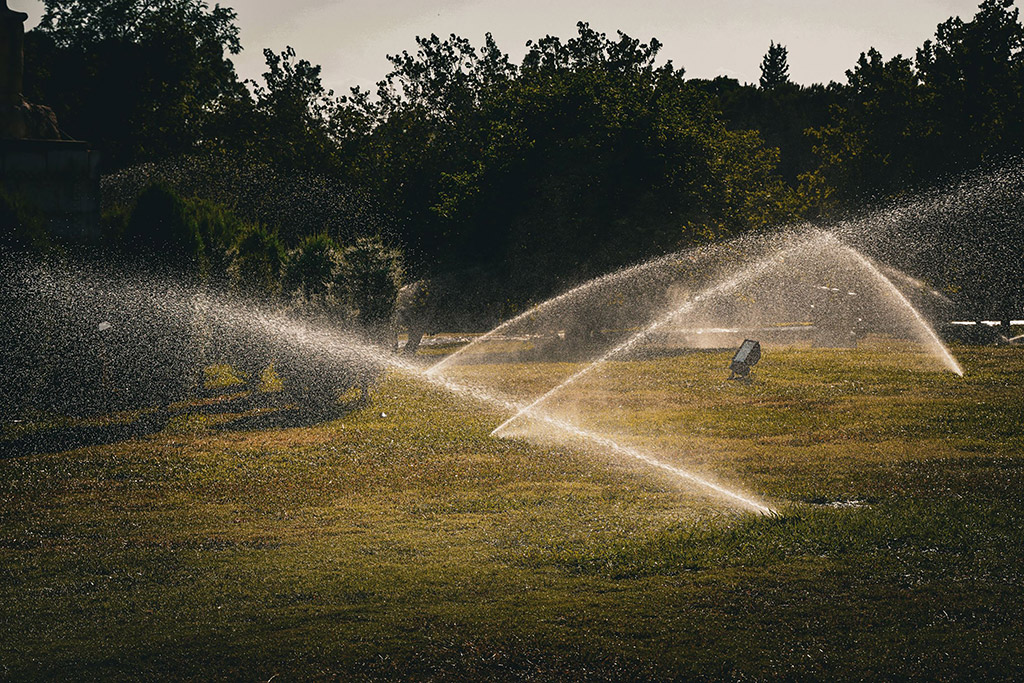
Beyond installation order, poor irrigation zoning can create long-term performance issues across the property.
Oversaturated beds, fungal pressure, runoff, and uneven turf performance are often tied directly to irrigation design problems - not plant quality.
In Florida's humid climate, irrigation systems should be designed around:
Overwatering is often just as damaging as underwatering.
Especially during Florida summers.
Some of the most common long-term issues we encounter include:
Most of these problems could have been reduced significantly during the planning phase.
That is why process matters so much in landscape construction.
One of the smartest approaches for many commercial properties and managed communities is phased improvement planning.
Not every project needs to be completed all at once to create meaningful long-term improvement.
In many cases, the strongest strategy is:
This approach often creates:
A beautiful landscape built over unstable infrastructure rarely stays beautiful for long.
One of the biggest mistakes properties make is assuming the project is fully “finished” immediately after installation.
In reality, the first 90–180 days are often the most important period of the entire project.
New landscapes require:
Florida weather changes quickly. A property may receive several inches of rain during one week and intense dry heat the next.
Without active follow-through, even professionally installed landscapes can begin declining surprisingly fast.
The best construction projects are supported by a long-term maintenance strategy from the beginning.
At Allegiance Landscaping, construction planning focuses heavily on long-term performance - not just installation-day appearance.
For commercial properties and managed communities throughout Alachua County, our team evaluates:
Our goal is to help properties build landscapes that continue performing properly years after installation - not just during the initial walkthrough.
This proactive approach reflects one of our core company values:
Own Every Detail.
Because in Florida landscapes, the details beneath the surface usually determine how well the project performs long after construction crews leave the property.
Successful landscape construction projects are rarely accidental.
They are built through:
For commercial properties and managed communities, landscape construction should be viewed as infrastructure - not just decoration.
Because when landscapes are planned correctly from the beginning, they generally:
And in many cases, the difference between a landscape that thrives and one that constantly struggles was decided before the first shovel ever touched the ground.