
July 3, 2026
If the same plants keep declining year after year, the problem is not always maintenance.
In many Florida landscapes, the real issue starts much earlier - with plant selection.
Across commercial properties and managed communities throughout North Florida, many landscapes were originally installed for immediate appearance rather than long-term performance. Plants may have looked full and attractive during installation, but years later the property begins dealing with:
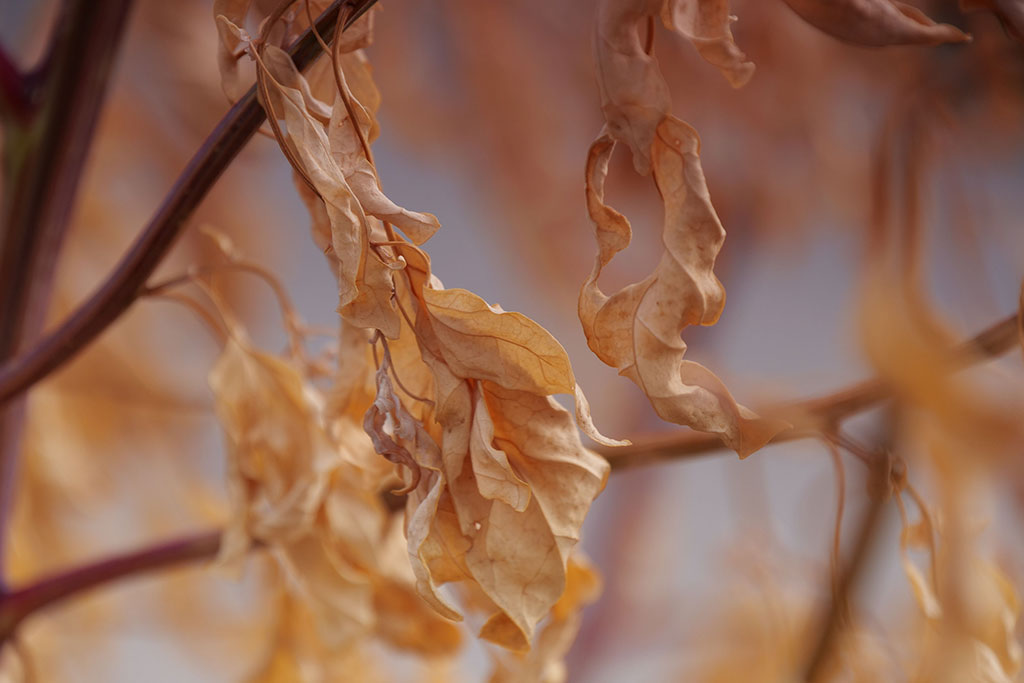
At that point, many properties continue replacing the same material repeatedly without realizing the site conditions themselves may no longer support those plants properly.
Because in Florida landscapes, even healthy-looking plants will eventually struggle if they are constantly fighting the environment around them.
North Florida landscapes deal with rapid weather swings throughout the year.
A property may experience:
...sometimes all within the same growing season.
Those conditions place enormous stress on plant material that may not have been selected for long-term resilience under Florida conditions.
On many properties, we commonly see:
In many cases, the plants themselves are not the problem.
The location is.
One of the most important concepts in sustainable landscape management is selecting the right plant for the right environment.
But successful plant selection involves much more than simply choosing sun or shade plants.
Long-term performance also depends on:
For example, a shrub that performs well near a shaded clubhouse entrance may struggle completely differently along a roadway island exposed to full afternoon sun and reflected pavement heat.
That is why successful landscapes are usually planned around how the property actually functions - not just how the plants look during installation week.
One issue commonly seen throughout commercial properties and managed communities is landscapes that were originally installed for quick visual fullness.
Shrubs were spaced tightly.
Fast-growing material was overused.
Plants were selected primarily for appearance.
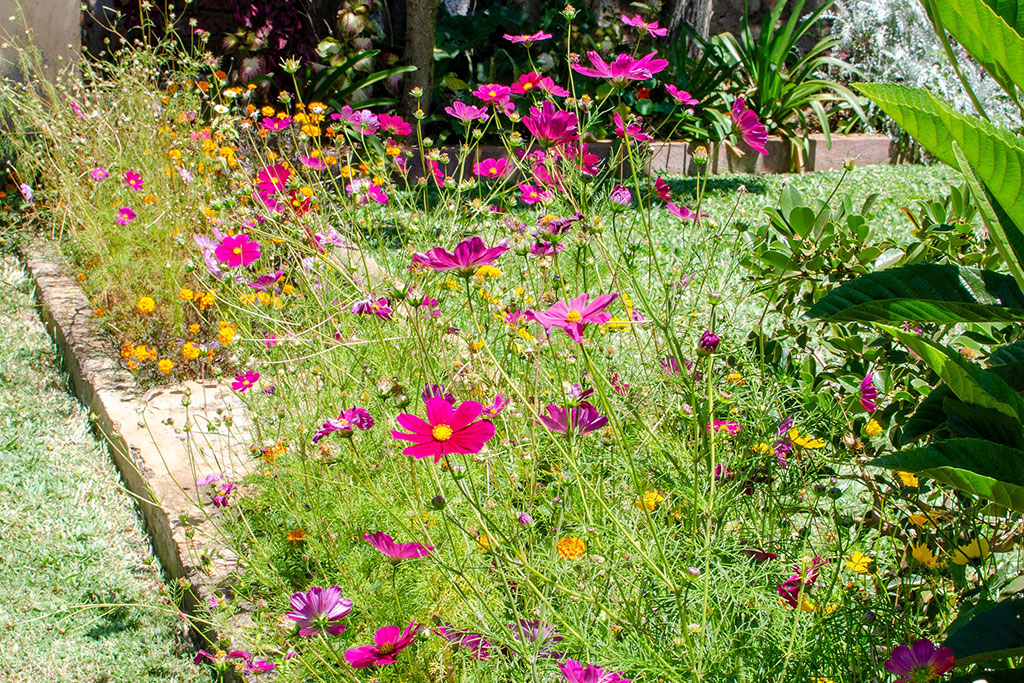
Several years later, the property often begins dealing with:
In Florida's humid climate, overcrowded plant material can create ideal conditions for:
We frequently see properties where shrubs are pruned repeatedly simply to keep them from overtaking sidewalks, signage, windows, or walkways because mature growth size was never fully considered during installation.
A healthy landscape should not constantly feel like it is being forced back into place.
When the same plants repeatedly fail in the same areas, there is often an underlying environmental issue contributing to the problem.
Common causes include:
On many properties, symptoms first appear as:
Replacing the same material repeatedly without correcting the underlying site conditions often leads to the exact same outcome again.
Eventually, redesign becomes more cost-effective than constant replacement cycles.
One misconception about Florida-friendly landscaping is that it must look sparse or overly simplified.
In reality, many of the strongest North Florida landscapes today focus on:
A resilient landscape can still feel:
The difference is that the plant material is selected for how it will perform years later - not just how it looks immediately after installation.
Many landscape problems become easier to solve when identified early.
Late spring and early summer are often excellent times to evaluate:
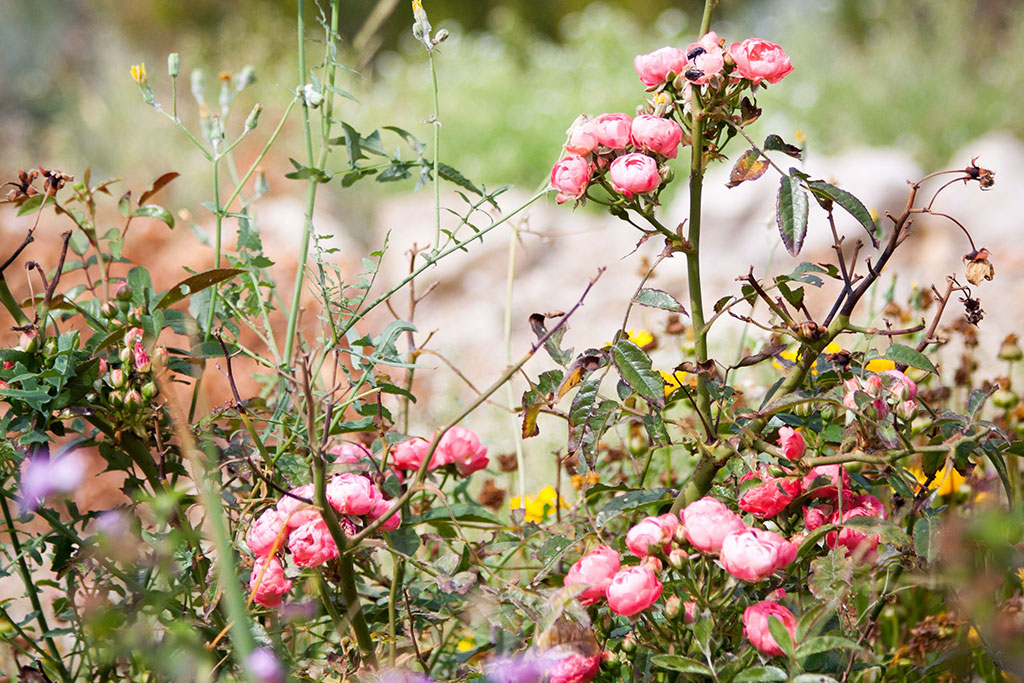
Planning ahead allows properties to:
Once Florida's summer rainfall cycles arrive, properly planned installations often establish more successfully because of:
Strong landscape renovations are rarely reactive.
They are usually planned strategically before the visible decline becomes severe.
Many commercial properties and managed communities may benefit from plant reevaluation if they experience:
In many cases, strategic changes in plant selection dramatically improve both appearance and long-term maintenance efficiency.
Even excellent maintenance practices cannot fully compensate for plants that are poorly matched to the environment around them.
The strongest landscapes are usually built around:
When those elements align correctly, properties often experience:
The landscape becomes easier to maintain because the plants are finally working with the environment instead of constantly fighting against it.
At Allegiance Landscaping, plant recommendations are based on long-term site performance rather than short-term installation appearance alone.
For commercial properties and managed communities throughout Alachua County, our team evaluates:
Our goal is to help properties create landscapes that remain healthier, cleaner, and more resilient under Florida conditions over time.
This proactive mindset reflects one of our core company values:
Fix It Before It's a Problem.
Because in many Florida landscapes, recurring plant decline is often the property's first sign that the site itself is asking for a better long-term solution.
In North Florida, successful landscapes are rarely built around appearance alone.
They are built around:
When landscapes are designed around those principles, they generally:
Because one of the smartest investments a property can make is choosing plant material that actually wants to thrive where it is planted.