
June 26, 2026
In Florida, hurricane preparation does not begin when a storm appears on the radar.
For HOA boards, commercial property managers, apartment communities, and large-scale facilities throughout Alachua County, preparation begins weeks - and sometimes months - before hurricane season reaches its peak.
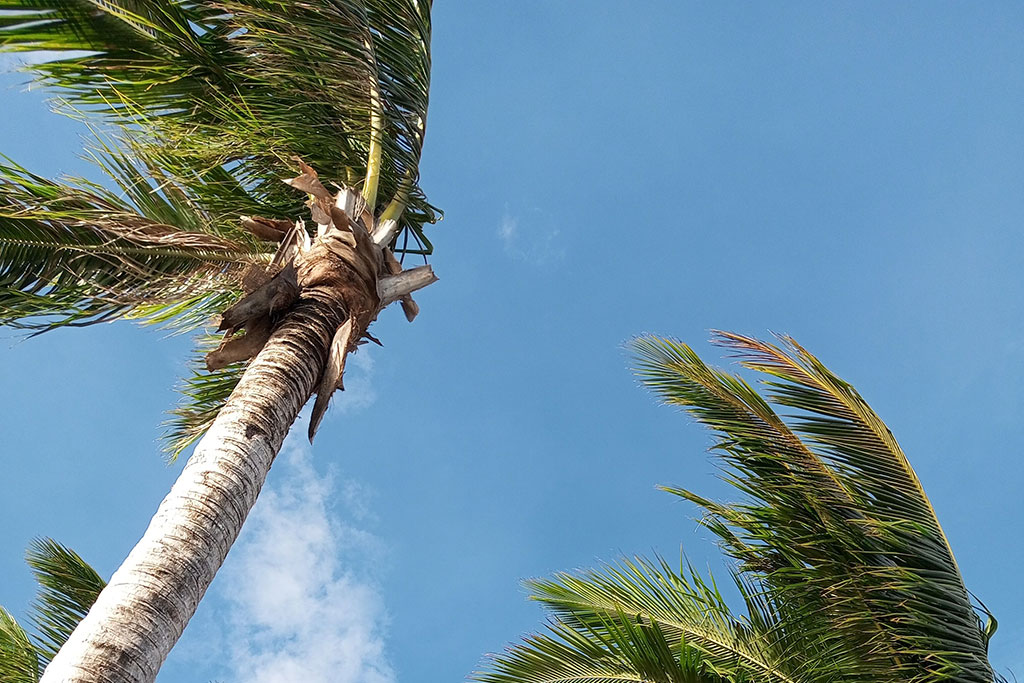
Every year, communities across Florida face the same reality: properties that prepare early typically recover faster, experience fewer failures, and reduce long-term repair costs. Meanwhile, properties that wait until a storm is approaching often find themselves scrambling for vendors, dealing with emergency breakdowns, and trying to correct issues that should have been addressed long beforehand.
While many people focus on stocking supplies and boarding windows, one of the most overlooked aspects of hurricane preparation is the landscape itself.
Trees, drainage systems, irrigation infrastructure, loose debris, and overgrown vegetation can all become major liabilities during severe weather events if not properly managed ahead of time.
For Florida properties, hurricane preparedness is not just about reacting to storms - it is about reducing vulnerability before the season intensifies.
One of the biggest misconceptions about hurricanes is that only coastal communities are at risk.
While coastal storm surge receives much of the attention, inland communities throughout North Florida frequently experience:
In Alachua County, strong summer storms and hurricane bands can still create substantial damage even when the center of the storm makes landfall hundreds of miles away.
For HOA communities and commercial properties, the risks multiply because of:
A single neglected issue can quickly escalate into a costly property-wide problem during severe weather.
Landscaping is often treated as separate from storm preparedness, but in reality, the landscape is one of the first systems tested during a hurricane.
Trees, drainage systems, turf conditions, and irrigation infrastructure all directly influence how well a property withstands heavy rain and wind events.
When landscapes are neglected, storms expose those weaknesses quickly.
Trees provide shade, beauty, and long-term value to a property - but improperly maintained trees can become dangerous during hurricane season.
Overextended limbs, deadwood, poor structure, and unbalanced canopies increase the likelihood of failures during high winds.
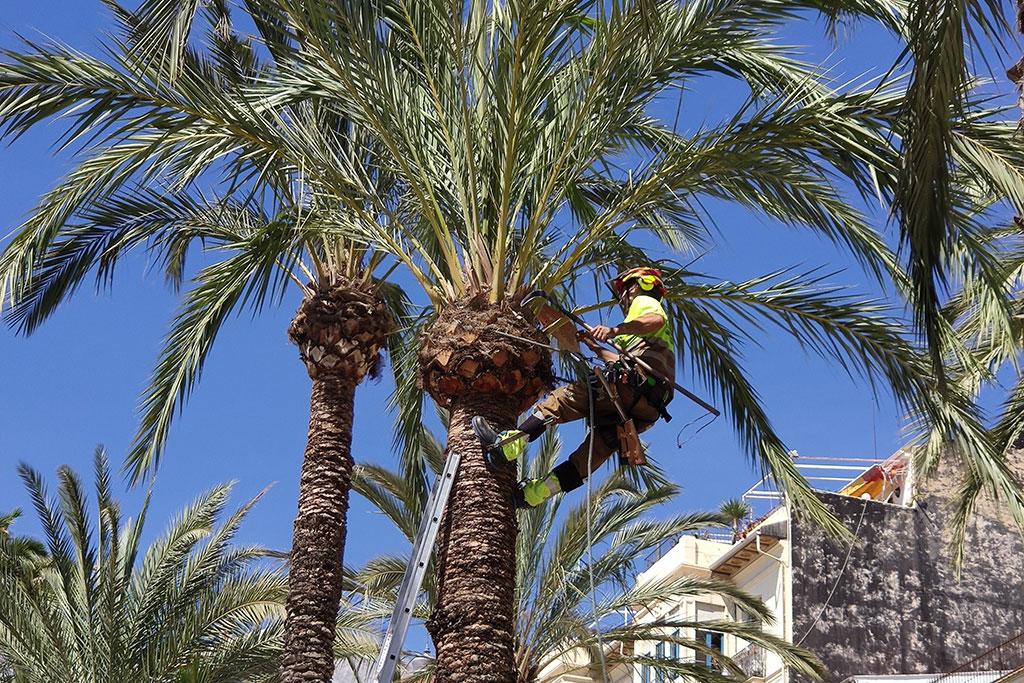
Important Preventative Measures Include:
One common mistake communities make is waiting until hurricane season is already active to begin pruning. At that point, vendor availability becomes limited and reactive trimming often replaces strategic maintenance.
Proper tree management is most effective when handled proactively throughout the year.
A property's drainage system may appear functional during normal rainfall events but fail quickly during prolonged heavy storms.
Poor drainage can lead to:
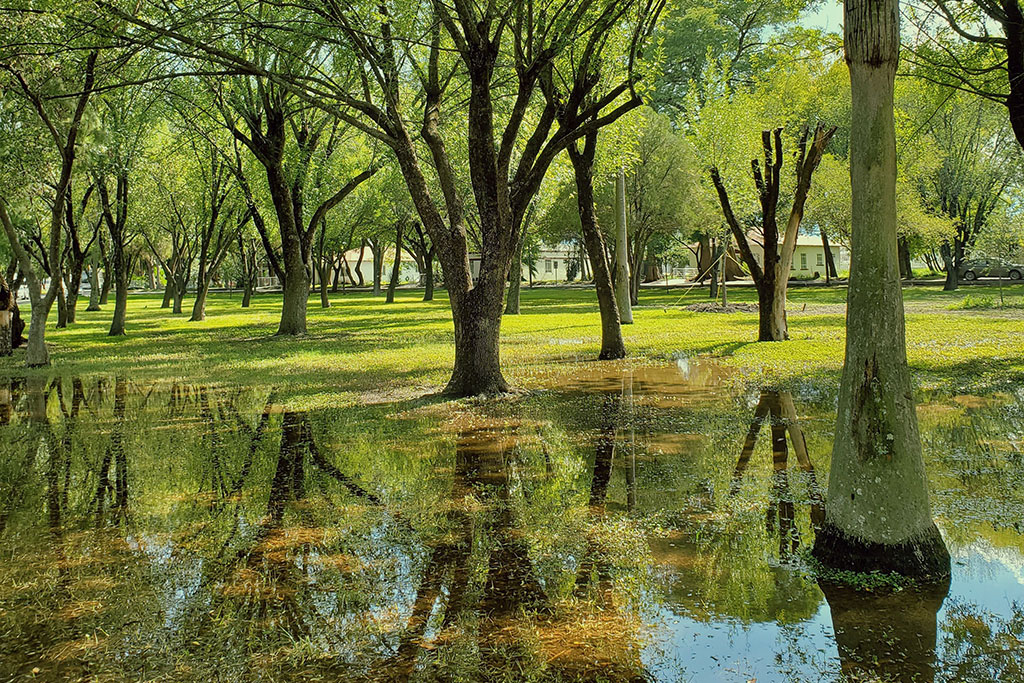
Before hurricane season intensifies, properties should evaluate:
Even minor grading issues can create major flooding concerns when several inches of rain fall within a short period.
Irrigation systems are another commonly overlooked component of storm preparation.
Damaged controllers, exposed wiring, broken heads, or poorly secured components can create additional problems during and after storms.
Before major weather arrives, properties should:
Post-storm irrigation failures are extremely common in Florida, especially when systems already had underlying issues before severe weather arrived.
One of the biggest advantages of early preparation is access to scheduling and resources.
Once a named storm enters the Gulf or Atlantic with potential Florida impact, demand increases rapidly for:
Properties that prepare early are often able to:
Reactive preparation almost always costs more than proactive maintenance.
As hurricane season approaches, communities should evaluate several critical areas throughout the property.
Key Areas to Review:
For larger HOA communities, having a documented response strategy before severe weather develops can significantly improve communication and recovery coordination afterward.
At Allegiance Landscaping, storm preparation is approached proactively - not reactively.
Our team evaluates properties with a long-term perspective focused on:
Because we primarily serve HOA and commercial communities throughout Alachua County, we understand how quickly small issues can escalate during severe weather if they are not addressed early.
This proactive mindset closely aligns with one of our core company values:
Fix It Before It's a Problem.
Storm preparation is not just about cleanup after damage occurs. The real goal is minimizing preventable failures before storms arrive in the first place.
Hurricanes are part of life in Florida, but extensive property damage is not always inevitable.
Communities that prepare early are often better positioned to:
For HOA boards and commercial property managers, hurricane preparation should be viewed as an ongoing property management strategy - not a last-minute emergency response.
The strongest properties heading into hurricane season are usually the ones that started preparing long before the first storm appeared on the forecast.