
May 1, 2026
In North Florida, spring is more than just a seasonal transition - it is one of the most important periods of the year for landscape performance.
For HOA communities, commercial campuses, apartment complexes, and retail properties throughout Alachua County, the decisions made during spring often determine how turf performs during the demanding summer months ahead. Once extreme heat, heavy rainfall, weed pressure, insects, and increased foot traffic arrive, recovering struggling turf becomes far more difficult and costly.
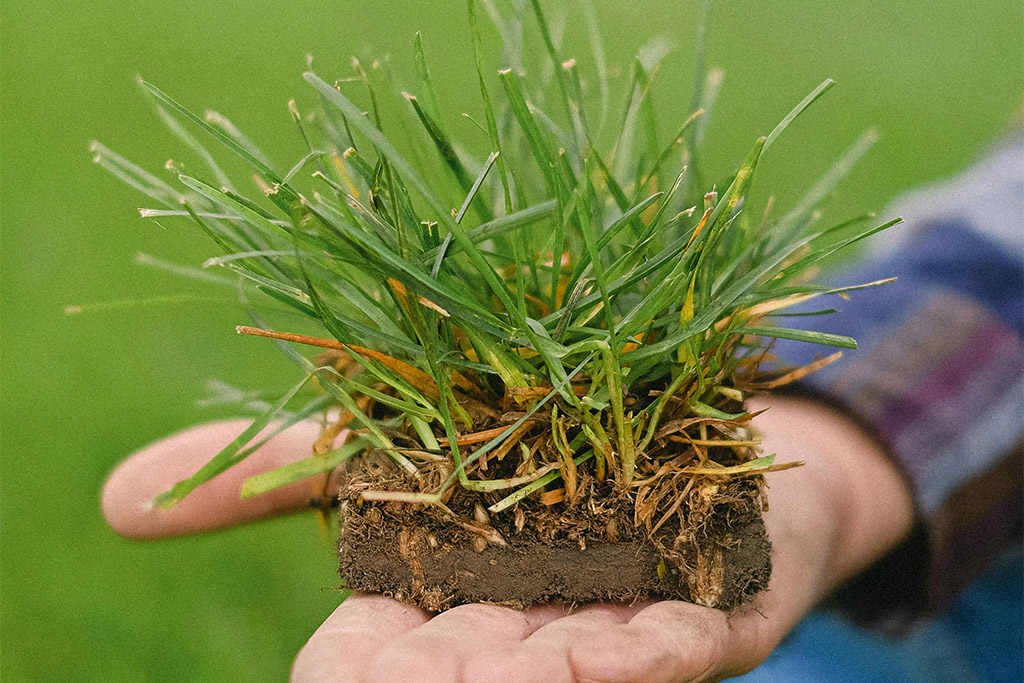
One of the most common questions property managers and HOA boards face this time of year is:
Should we install sod or seed?
While both methods can establish turf successfully, they serve very different purposes. The right solution depends on the property's goals, appearance expectations, maintenance capabilities, irrigation coverage, and budget priorities.
Understanding the strengths and limitations of each option can help communities avoid long-term frustration while creating a healthier and more sustainable landscape.
Florida's warm-season turfgrasses operate on a very different growth cycle than northern lawns.
As temperatures rise during spring, turfgrass enters an active growth phase where root development accelerates rapidly. In Alachua County and surrounding North Florida regions, this creates one of the best opportunities of the year for successful lawn establishment before the stress of peak summer arrives.
Spring establishment benefits from:
Delaying installation too long into summer can expose new turf to:
For HOA and commercial properties where appearance matters daily, timing can significantly impact long-term success.
For most commercial landscapes, sod is often the preferred option because it delivers immediate visual improvement and faster establishment.
Unlike seed, sod arrives as mature, professionally cultivated turf with an established root layer already in place. Once installed correctly and watered properly, the turf begins rooting directly into the soil below.
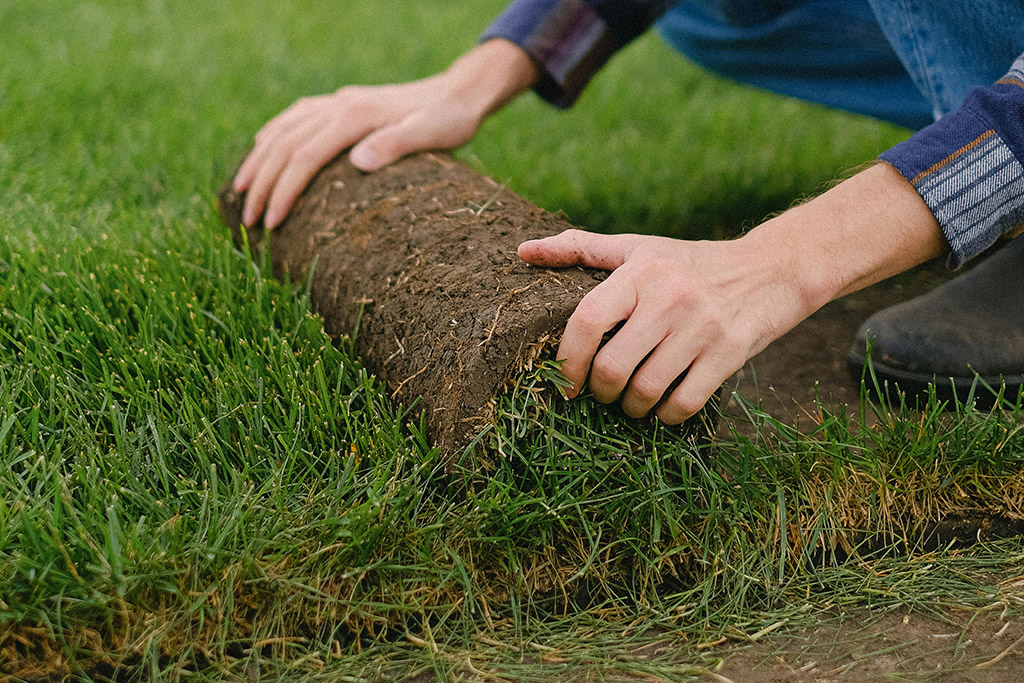
One of the biggest advantages of sod is instant coverage. Bare soil disappears immediately, creating a finished and professional appearance from day one.
This is especially valuable for:
Open soil creates opportunity for weeds to germinate quickly.
Because sod fully covers the soil surface, weed competition is significantly reduced during the establishment phase compared to newly seeded areas.
Faster Functional RecoveryWhile newly installed sod still requires an establishment period, it generally becomes usable much sooner than seeded turf.
This makes sod especially useful in:
Commercial properties often prioritize predictability and uniformity. Sod provides consistent texture, color, and density from the beginning, reducing variability across the property.
Not all turfgrass performs equally under Florida conditions.
Selecting the wrong grass type for the environment can lead to:
Some of the most common turf varieties used in North Florida include:
St. Augustine Grass
A popular choice for HOA communities due to its dense appearance and moderate shade tolerance.
Zoysia Grass
Known for its refined appearance, durability, and strong traffic tolerance.
Bahia Grass
Often selected for large, lower-maintenance areas and utility spaces.
Bermuda Grass
Performs well in full-sun environments with aggressive growth and recovery characteristics.
Proper turf selection should consider:
A grass variety that works well at a clubhouse entrance may not perform the same in shaded common areas or retention spaces.
Although sod is often preferred for presentation-driven properties, seeding still has an important role in commercial landscaping.
Seeding is commonly used for:
Bahia and Bermuda grasses are frequently established from seed because they can provide economical coverage for large areas.
However, seeded turf requires more patience and management during establishment.
Seeding can work successfully in Florida, but it comes with additional risks that HOA boards and property managers should understand before moving forward.
Common Seeding Challenges Include:
For communities focused heavily on appearance and curb appeal, these issues can become noticeable for several weeks - or even months - before turf fully matures.
Regardless of whether turf is established through sod or seed, the first month plays a major role in long-term success.
Proper watering, mowing practices, and traffic control during this period are essential.
Week 1
Week 2
Week 3
Around Day 30
One of the most common mistakes property owners make is assuming installation alone guarantees success. Turf establishment requires ongoing monitoring and proper management, especially heading into Florida summer conditions.
In many turf failures, the issue was never the sod or the seed itself.
The underlying problems were already present before installation began.
Poor drainage, compacted soils, irrigation deficiencies, grading issues, and existing weed pressure can all undermine new turf regardless of the installation method chosen.
At Allegiance Landscaping, we evaluate the full picture before recommending a turf solution because sustainable landscapes are built from the ground up.
Proper site preparation may include:
This proactive approach aligns closely with one of our core values:
Fix It Before It's a Problem.
For most HOA communities and commercial properties throughout North Florida, sod often provides the fastest and most reliable path to a clean, professional appearance with fewer establishment risks.
Seeding can still be an effective option for larger or lower-visibility areas where budget flexibility is the primary goal.
The most successful landscapes are rarely determined by sod or seed alone. Long-term performance depends on:
When these elements work together, properties are better positioned to maintain healthy, durable, and attractive turf throughout Florida's demanding growing season.